
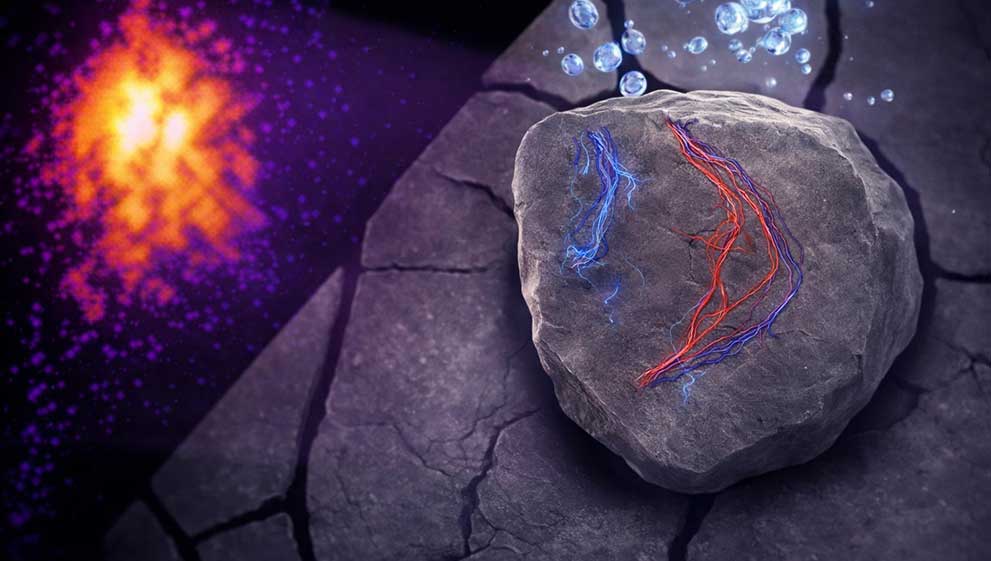
Stainless steel has always been relied upon in places where strength and reliability matter, but recent research has shown just how much work this familiar material is doing beneath the surface. Scientists have now been able to observe stainless steel in three dimensions as it reacts internally to hydrogen, watching tiny defects move and stresses shift inside the metal. While the research is aimed at future hydrogen and clean energy systems, it reinforces a broader truth: the way stainless steel behaves at a microscopic level directly affects how it performs in demanding real-world environments.
That insight is particularly relevant to water and wastewater systems, where materials are exposed to constant moisture, pressure and chemical attack over many years. Infrastructure such as treatment plants, drainage systems and water channels depend on materials that won’t degrade quietly and fail suddenly. Stainless steel’s ability to resist corrosion, maintain strength and cope with long-term stress is why it continues to be specified for components that protect water supplies and prevent contamination from reaching rivers and natural environments.
For fabricators and designers, research like this confirms why stainless steel remains such a dependable choice. Its internal resilience supports the external performance we rely on every day, whether that’s managing water flow, maintaining hygiene or ensuring systems keep working long after installation. Products such as stainless steel drainage channels and water management components depend on these properties to keep everything flowing exactly as it should.
When it comes to handling pressure, water and the occasional unseen internal struggle, stainless steel is a perfect choice. Like in our stainless steel water fountains which direct water in the right direction, without ever cracking under the pressure.
For more scientific stainless steel stories on our website have a look at these past articles:
How stainless steel is helping to preserve genetic diversity in Svalbard
A new antibacterial stainless steel that can stop super-bacteria
Twisting a Stronger Stainless Steel with Nanotwins
Image: An artistic representation of the experiment, showing a 3D rendering of a micro-scale stainless steel grain and how internal defects evolve over time. Based on an image created by David Yang and Felix Hofmann.