
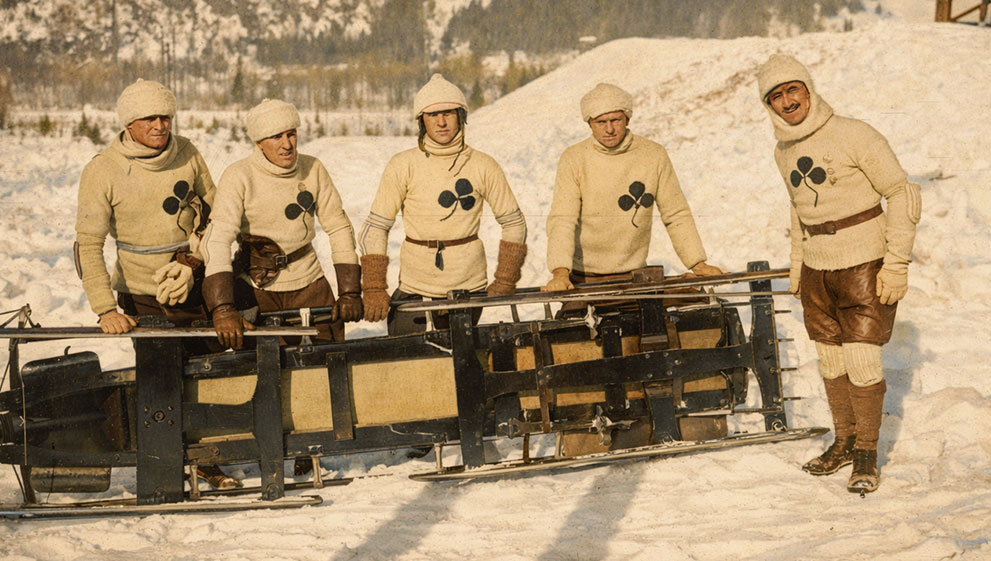
In the early decades of bobsleigh, from its origins in St Moritz in the late nineteenth century through to the mid-twentieth century, sleds relied on conventional carbon steels for their runners. Metallurgy varied between teams and manufacturers, but there is no clear documented evidence that stainless steel formed part of early Olympic competition. The significant, provable shift came much later. In 2006, the international governing body for the sport — now known as the International Bobsleigh and Skeleton Federation (IBSF), formerly FIBT — introduced a rule standardising bobsleigh runners to a single specified stainless steel supplied under federation control. This decision was taken to remove material advantages and ensure fairness at the highest level of competition.
That regulation carried directly into Olympic racing. Under IBSF rules applicable to the Olympic Winter Games, only federation-approved standard runners are permitted. The first Winter Olympics held after the 2006 rule change were the Winter Olympics in Vancouver, making 2010 the first Games at which stainless steel runners were demonstrably mandated under international competition rules. From that point onward, the world’s fastest sleds — reaching speeds well over 80 mph — have depended on precisely engineered stainless steel blades to deliver consistency, durability and control on ice measured in thousandths of a second.
It is a reminder that stainless steel is not only for kitchens, it is trusted in environments where precision and fairness are paramount. At DSM Stainless Steel, the principles are the same: material integrity matters. In elite sport or British industry alike, performance is always on thin ice without the right steel — and that is where stainless truly slides ahead.
For more sports stainless steel stories on our website have a look at these past articles:
The Stainless Steel Italian Icon That Won’t Rust
What links hoop skirts, umbrellas and badminton rackets?
From bone to a Stainless Steel triple salchow
Image: Chamonix-Mont-Blanc 1924.