
Formula 1 has always been a story of materials. Today’s cars are associated with carbon fibre, titanium and specialist alloys, but steel has been part of the sport from the beginning.
In the first Formula 1 World Championship era, cars such as the Alfa Romeo 158 used steel tubular chassis construction beneath aluminium bodywork. Later, designs moved through spaceframes, aluminium monocoques and eventually carbon fibre survival cells. The famous Lotus 25, introduced in 1962, helped change the direction of F1 by replacing the traditional tubular frame with a lightweight monocoque structure. That shift did not make steel disappear. It simply changed where it was used. Modern F1 cars still rely on metal components wherever strength, heat resistance, wear resistance and predictable performance matter. In the 2026 regulations, for example, driveshafts are still required to be made from steel.
Stainless steel has also had a direct and recent F1 link. Following concerns about trackside grass fires caused by titanium sparks, teams tested stainless steel skid block alternatives. Titanium remains the standard material for now, but teams have been required to have stainless steel alternatives available if needed. That makes the 2026 Monaco Grand Prix a timely reminder of how important materials still are in Formula 1. Monaco is tight, slow and unforgiving, and the FIA has introduced special controls for the race, including limits on active aero and changes to engine mapping to manage top speed. Even in a sport increasingly shaped by software and aerodynamics, the car still depends on physical materials that can cope with heat, load and wear.
Stainless steel may not be the headline material of modern Formula 1, but it remains relevant because of the properties that made it useful in engineering in the first place: strength, durability, corrosion resistance and heat performance.
DSM’s stainless steel products are built on the same principles: dependable strength, clean fabrication and long-term performance. From workshops to race tracks, stainless steel still knows how to handle the pressure and stay on the right track.
For more stainless steel car stories on our website have a look at these past articles:
The First Stainless Steel Car? A Sheffield Experiment
Bring on the Stainless Steel Chaos!
The Stainless Steel, Lotus inspired, James Bond vehicle... which now floats?!!
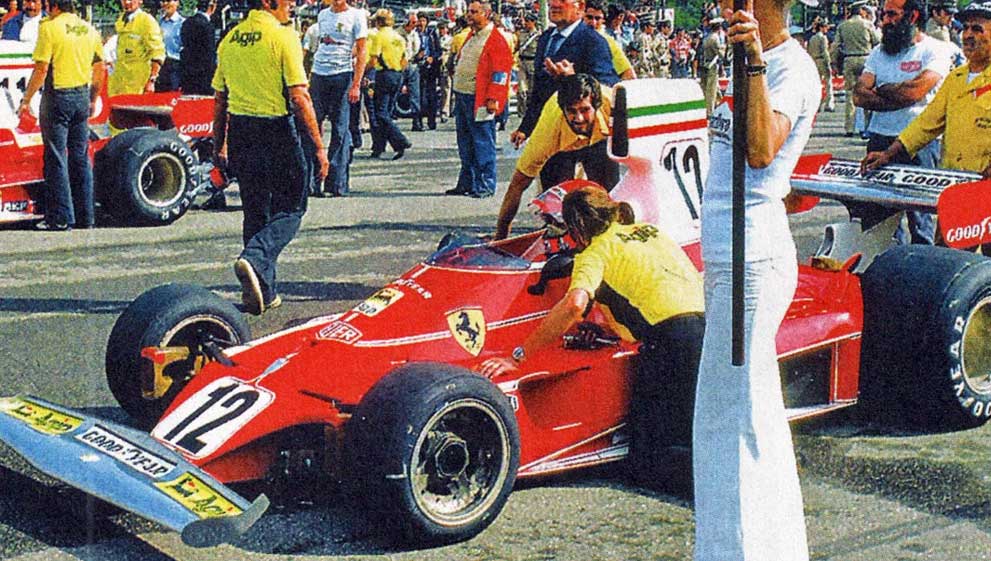
Image: Monza (Italy), Autodromo Nazionale, 7 September 1975. Austrian driver Niki Lauda of the Scuderia Ferrari, pole position, in his Ferrari 312T on the road to the XLVI Gran Premio d'Italia.