
Long before stainless steel found its way into modern engineering and fabrication, it was transforming dentistry. For centuries, dental work relied on materials such as gold, silver and even crude metal wires, often chosen as much for availability as for performance. While effective to a point, these materials were expensive, prone to wear, and not always suited to the harsh, moisture-rich environment of the human mouth.
The arrival of stainless steel in the early 20th century marked a turning point. First developed in Britain in 1912, the material quickly attracted attention for its resistance to corrosion and its ability to maintain strength over time. By 1919, it had entered dentistry, where it was used to create prosthetic components that offered durability without the drawbacks of earlier metals . This was a significant step forward, as dental materials must withstand constant exposure to saliva, temperature changes and mechanical stress.
Through the 1920s and 1930s, stainless steel began to establish itself more firmly, particularly in orthodontics. Early pioneers experimented with the material for wires and bands, replacing traditional gold alloys with something more resilient and cost-effective. By the mid-1930s, stainless steel had proven its value, offering a combination of flexibility, strength and corrosion resistance that made it ideal for dental appliances . It allowed dentists to apply more controlled forces, improving both comfort and effectiveness for patients.
As techniques advanced, stainless steel became the standard material for braces, brackets and wires. Its reliability meant treatments could be more predictable, while its durability reduced the need for constant replacement or adjustment. Over time, it became so embedded in dentistry that it is now difficult to imagine modern orthodontics without it.
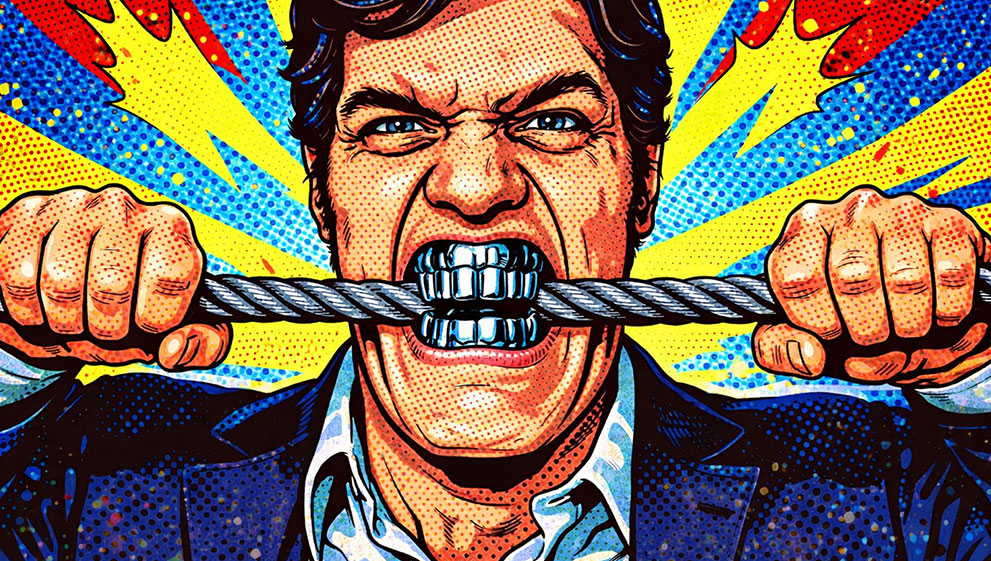
Beyond the clinic, stainless steel would go on to capture the public imagination in a rather different way. In 1977, audiences were introduced to the character Jaws in the film The Spy Who Loved Me. Portrayed as a near-indestructible henchman, Jaws was defined by his gleaming metal teeth.
The character’s teeth were designed to resemble stainless steel, reflecting the material’s association with strength and durability. In reality, the effect was achieved using custom-made dental appliances fitted over the actor’s own teeth. These pieces had to be carefully shaped and secured to allow for speech and movement, while still delivering the imposing, metallic appearance that made the character so memorable. The result was an instantly recognisable image: polished, reflective teeth that appeared almost mechanical in their perfection.
We don't do dentistry work, but we do make enough stainless steel products to get your teeth sunk into!
For more stainless steel stories on our website have a look at these past articles:
So now you can get a 'robot arm' microphone stand?!
Should we be worried about the worlds first stainless steel robot?
What a Strange Thing, it's only a Stainless Steel Demogorgon!