In any professional laboratory setting, the sink is far more than a utility it’s a critical component of hygiene, safety, and operational efficiency. Whether used for chemical disposal, handwashing, or equipment cleaning, your choice of lab sink must meet strict standards to ensure compliance with UK regulations and relevant European (EN) standards.
But what does that actually mean in practice? And how do you know your laboratory sink setup meets the latest compliance benchmarks?
Why Laboratory Sink Compliance Matters
Compliance is not just a regulatory box-ticking exercise. In laboratory environments especially those dealing with hazardous substances, pathogens, or sensitive testing equipment sink systems form part of the broader ecosystem of health and safety infrastructure.
A non-compliant lab sink might look perfectly functional on the surface, but if it’s made of the wrong material, poorly installed, or lacking appropriate drainage systems, it can become a breeding ground for bacteria, a fire hazard, or a contamination risk.
It only takes one small oversight, a material that reacts to heat, or a surface that harbours a microbe to compromise an entire research process or pose danger to lab staff.


Key UK and EU Regulations for Laboratory Sinks
Laboratories in the UK must comply with a combination of domestic legislation and international standards, particularly where health, hygiene, and environmental safety are concerned.
While Brexit has altered the regulatory landscape, many EN standards for laboratories continue to apply through the UK’s retained EU law framework. This means manufacturers, lab managers, and contractors still need to be aware of these harmonised benchmarks when specifying or installing lab fixtures.
Key legislation and guidance documents include:
- Health and Safety at Work etc. Act 1974
- Control of Substances Hazardous to Health (COSHH) Regulations
- UK Building Regulations – Part G (Sanitation, hot water safety and water efficiency)
- BS EN ISO standards and EN standards for lab fittings, furniture and construction
Different sectors will have their own nuances. For example, NHS and pharmaceutical labs may require additional validation under UKAS accreditation or MHRA inspection protocols.

Understanding EN Standards for Laboratory Environments
EN standards (European Norms) ensure that lab environments across member states and trading partners adhere to consistent, safe, and tested criteria. Although not legally binding on their own, they are often referenced within legislation or used as a benchmark for best practice.
Some relevant EN standards related to laboratory sinks and associated fixtures include:
- EN 14175: Focuses on fume cupboards, relevant if your sink is part of a larger extraction setup.
- EN 13150: Specifies performance and testing methods for laboratory workbenches and surfaces, including chemical resistance.
- EN ISO 11885: Addresses water quality and potential contamination, important for clean water supply and waste disposal from lab sinks.
These standards assess factors such as load-bearing strength, heat resistance, corrosion protection, and hygienic design all of which tie directly into material selection and installation quality.

Materials and Construction Requirements
When it comes to lab sink compliance, material selection is everything. Each environment brings its own chemical, thermal, and mechanical demands.
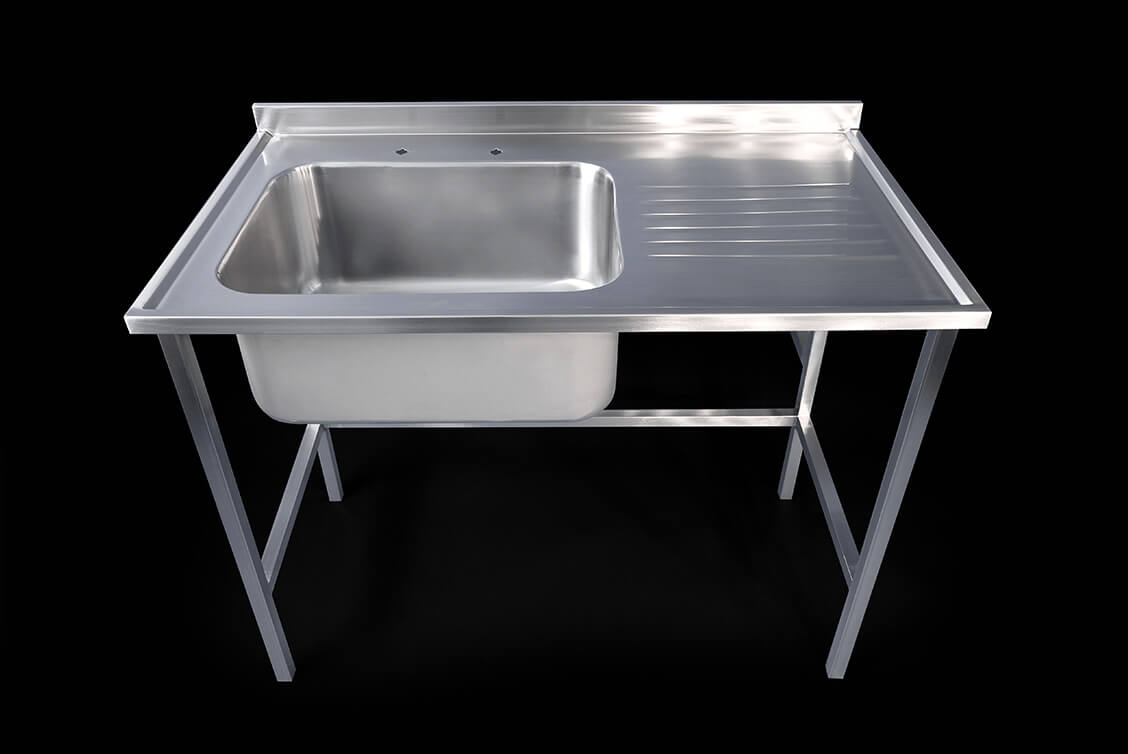
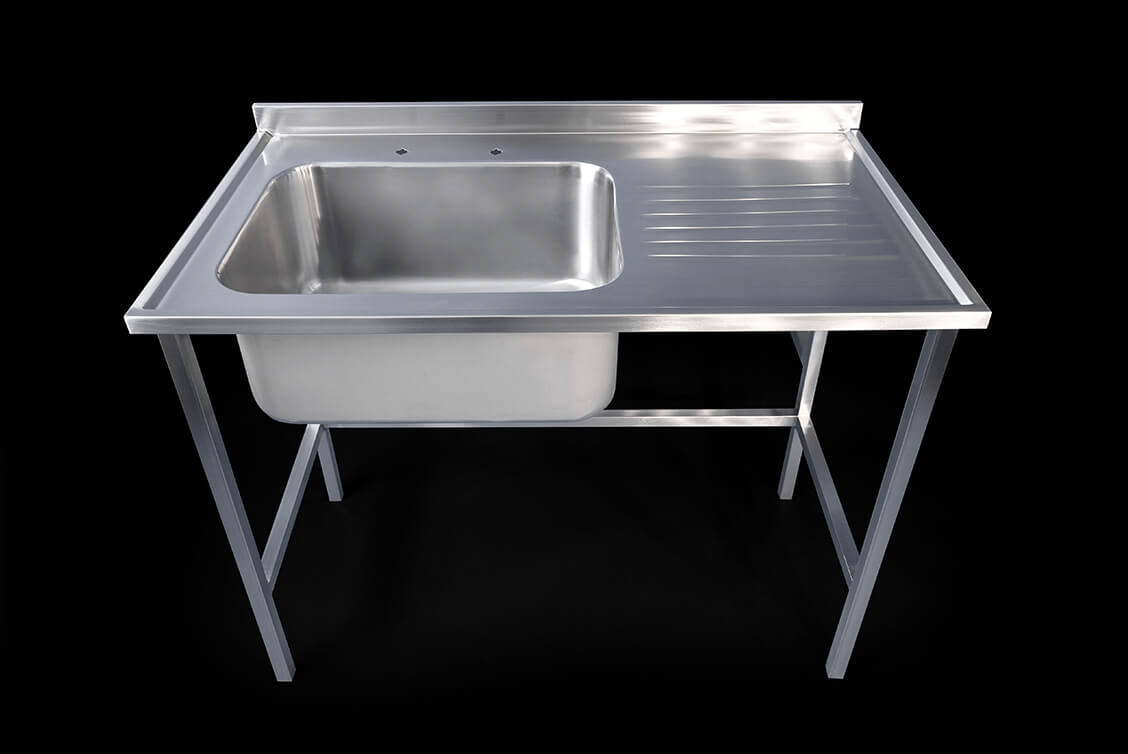
Stainless steel, for example, is often the preferred option in UK labs due to its:
- Excellent corrosion and heat resistance
- Non-porous surface that resists bacterial growth
- Long service life under heavy use
- Easy-to-clean, seamless construction
Alternatives like epoxy resin or polypropylene may be appropriate in specific settings, such as educational science labs or facilities dealing with less aggressive substances. However, these materials may lack the strength and hygienic credentials of stainless steel in high-intensity or high-risk environments.
Choosing the right construction also plays a role. Fully welded, seamless units with integrated splashbacks and undershelves will typically offer greater compliance potential than modular or bolted assemblies.
Hygiene and Safety Expectations in Professional Labs
It goes without saying that hygiene is paramount in a lab but lab sink design and compliance play a more significant role here than many realise.
For instance, integrated radius corners make cleaning easier and reduce microbial traps. Properly designed drainage gradients ensure that water and waste flow away quickly, reducing standing liquid and the risks of contamination.
Other common compliance considerations include:
- Touch-free taps or knee-operated valves to reduce cross-contamination
- Overflow protection and spill containment for chemical safety
- Sink positioning to ensure safety clearance from equipment and workstations
In labs dealing with live biological material, radioactive agents or high-volume testing, even minor hygiene failures can cause major setbacks.

Installation and Maintenance: What Compliance Looks Like in Practice
It’s not just about having the right sink, but how it’s installed and maintained is just as important.
Proper installation by a qualified contractor ensures that all pipework, seals, and fittings meet hygiene and waste disposal regulations. If you’re retrofitting or upgrading, pay particular attention to connections with safety equipment like emergency eye wash stations or fume cupboards.
Routine maintenance and cleaning schedules should be documented, along with regular checks for corrosion, drainage issues, or signs of material fatigue. Keeping clear records isn’t just good practice it may be necessary in the event of a regulatory audit or incident investigation.
Choosing a Compliant Lab Sink Supplier
Navigating the maze of EN standards and UK compliance requirements is much easier when working with a trusted manufacturer or supplier. Look for:
- Experience in fabricating for laboratory settings
- Materials that meet EN and ISO standards
- Welding and finishing techniques that support hygienic design
- Customisation options for lab-specific workflows
At DSM Stainless Products, we specialise in manufacturing stainless steel lab sinks, worktops, and integrated units designed specifically for compliance in UK and European labs. All our products are fabricated to the highest standards, and we work closely with your team to ensure everything meets the legal and practical requirements of your sector.

Staying on the Right Side of Laboratory Sink Compliance
Lab sink compliance in the UK isn’t just about ticking off a checklist it’s about safeguarding people, protecting processes, and maintaining the credibility of your laboratory operations. Whether you’re outfitting a new lab or upgrading an existing one, understanding and applying the right EN standards for laboratories is essential.
From material choice to proper installation, every detail matters. If in doubt, speak to a supplier who understands the regulatory landscape and can back it up with fully compliant products.
If you’re looking for compliant, hygienic, and long-lasting laboratory sinks made to UK specifications, DSM Stainless Products is here to help.
Interested in upgrading your lab sink or worktop to a fully compliant stainless steel solution? Visit our Laboratory Sinks page or call 01159 255927 for friendly advice and a free, no-obligation quote.
Our Guides & Brochures

DSM Stainless Steel Product Care
Please take a moment to read our product care brochure to help you look after you new stainless steel units to ensure they look as good as the day they are installed.
Download DSM 25 Year Warranty
For more information on our 25 year warranty please download our brochure
Download
DSM Terms of Business
Our Terms of Business Agreement sets out the terms and conditions on which we agree to provide services for you
Download