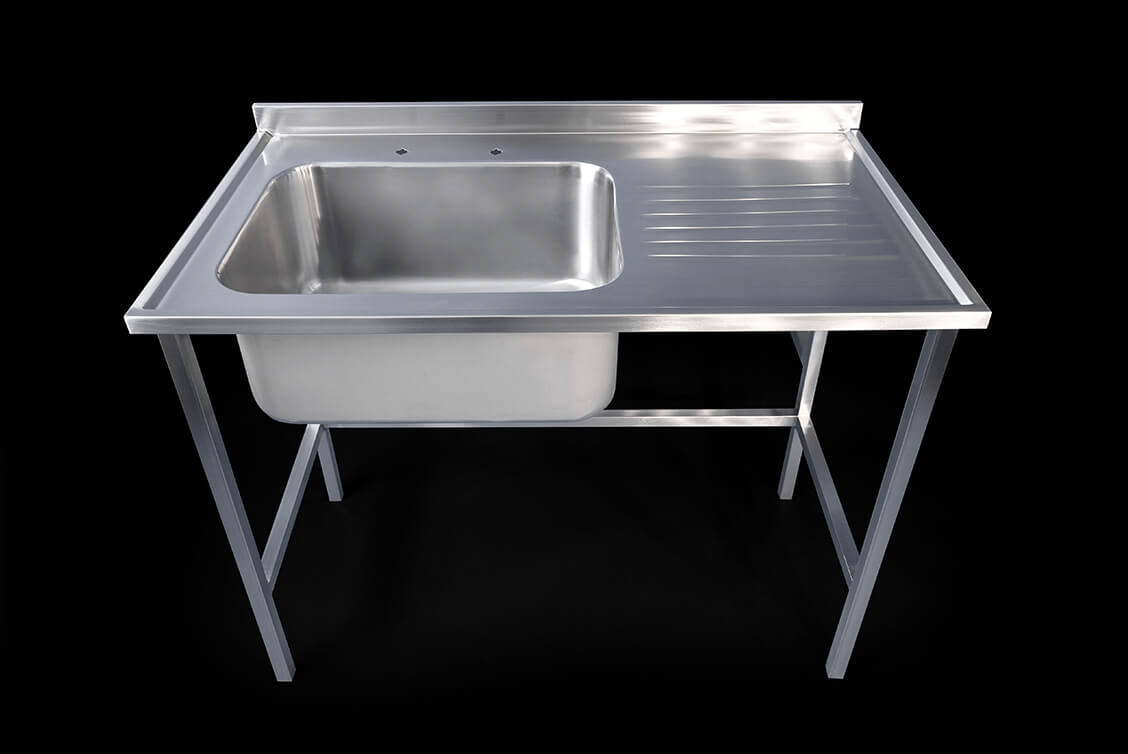
Maintaining the cleanliness and integrity of your laboratory’s stainless steel sink isn’t just about keeping things tidy. It’s a matter of hygiene, chemical safety, and prolonging the life of an essential fixture. Whether it’s a school science lab, a pharmaceutical cleanroom, or an industrial testing facility, proper care of your stainless steel lab sink is critical to ensuring it performs at its best.
In this lab sink cleaning guide, we’ll walk you through practical steps for daily cleaning, deep descaling, and long-term stainless steel maintenance in demanding lab environments.
Why Stainless Steel is Ideal for Laboratory Sinks
Stainless steel has long been the preferred material for lab sinks, and for good reason. It’s non-porous, meaning it won’t absorb contaminants or chemical residues. It resists corrosion, even when exposed to acidic or alkaline substances, and its smooth, hard surface is easy to clean and disinfect. In high-precision environments where hygiene and contamination control are paramount, these qualities make stainless steel a natural choice. Plus, it’s tough. With proper maintenance, a quality stainless steel sink can last decades.


Lab Sink Cleaning Guide: Daily and Routine Cleaning Tips
Regular, consistent cleaning is the foundation of stainless steel maintenance. A daily wipe-down may seem minor, but over time, it plays a major role in preserving the appearance and integrity of your lab sink.
Use warm water and a mild detergent with a soft cloth or sponge. This is usually sufficient for removing most residues. Always rinse thoroughly with clean water to avoid soap build-up and dry with a microfiber cloth to prevent water spots or streaking. Make this a habit at the end of each workday or after any high-volume usage.
Avoid scouring pads or steel wool. These can scratch the surface, leaving it more vulnerable to corrosion. Also steer clear of bleach or harsh chlorine-based cleaners, which can pit or discolour stainless steel. If disinfection is required, use lab-approved alcohol or quaternary ammonium compounds and always follow up with a rinse.

Deep Cleaning and Descaling Procedures
Even with diligent daily cleaning, stainless steel lab sinks will occasionally need a more thorough clean. Mineral deposits from hard water, as well as residues from reagents or chemicals, can gradually build up. A monthly or bi-monthly descaling is usually enough, depending on how the sink is used.
To descale, use a non-abrasive descaling solution or a vinegar-water mixture (usually 1:1). Let it sit on the affected area for a few minutes, then scrub gently with a soft cloth. Rinse thoroughly. For tougher stains or deposits, commercial stainless steel descalers are available, but always test these in an inconspicuous spot and consult your lab’s chemical compatibility guidelines.
If chemical spills occur, especially with strong acids or bases, immediate neutralisation and cleanup are essential. Leaving residues, even briefly, can cause long-term surface degradation.

Preventing Long-Term Wear and Contamination
One of the most overlooked parts of lab sink maintenance is what happens after the cleaning. Residual moisture, for example, can be just as harmful as spilled chemicals. Make sure the sink is always thoroughly dried after use, especially in humid or climate-controlled environments.
Use a lab-approved rubber mat or sink liner to reduce direct impact from glassware or equipment. This prevents dents and micro-scratches that can eventually compromise the sink’s protective chromium oxide layer.
It’s also worth implementing a maintenance checklist for cleaning and inspection. Regularly inspect for scratches, surface dullness, or changes in the sink’s finish. Addressing small issues early often prevents more expensive fixes later on.
Do’s and Don’ts of Stainless Steel Maintenance in Lab Environments
- Do: Wipe down your sink daily with a soft cloth and mild detergent
- Rinse and dry thoroughly to avoid limescale and spotting
- Use designated descalers or natural acids like vinegar for buildup
- Inspect regularly for wear, and treat it early
- Don’t: Use bleach or chlorine-based disinfectants
- Scrub with steel wool or abrasive sponges
- Leave standing water, especially if your lab has hard water
- Ignore signs of corrosion, pitting, or discolouration

When to Replace or Refurbish Your Lab Sink
Even with excellent care, no fixture lasts forever. If your lab sink develops deep scratches, pitting, or signs of rust that cannot be buffed out, it may be time to consider refurbishment or replacement. In some cases, resurfacing might be a viable option. But if contamination becomes a risk or the sink can no longer be cleaned effectively, replacement is the safer and more hygienic solution.
High-quality stainless steel sinks are an investment, and regular maintenance ensures you get the most from that investment. Not just in years of service, but in peace of mind knowing your lab is as clean and compliant as it should be.
Conclusion
Laboratory hygiene isn’t just about the right protocols or the right PPE. It’s also about the environment in which you work, and your lab sink plays a central role in that equation. With a bit of regular care and the right approach to stainless steel maintenance, you can keep your lab sink looking great and functioning flawlessly, day in and day out.
If you’re specifying a new sink or updating your lab fit-out, DSM Stainless Products offers bespoke stainless steel sink solutions tailored to your environment. Speak to our team to discuss options that meet your specific needs.
Our Guides & Brochures

DSM Stainless Steel Product Care
Please take a moment to read our product care brochure to help you look after you new stainless steel units to ensure they look as good as the day they are installed.
Download DSM 25 Year Warranty
For more information on our 25 year warranty please download our brochure
Download
DSM Terms of Business
Our Terms of Business Agreement sets out the terms and conditions on which we agree to provide services for you
Download