When choosing a trough sink, the material isn’t just a detail, it is a defining factor in the sink’s performance, aesthetics, and longevity. Stainless steel, ceramic, and composite all offer distinct advantages and disadvantages which can help with deciding which one to go for.
This guide will help you to break down the key differences to help you decide which is most suitable for your bathroom or commercial space.
Why Material Matters When Choosing a Trough Sink?
When you come to DSM to discuss your project and provide a quote for stainless steel wash troughs, you can ask as many questions as you like to make sure you're getting the right wash trough for your needs.

Trough sinks are gaining popularity for their clean lines, space-saving design, and suitability for multiple users. However, the material you choose influences not just the look and feel, but also the hygiene, upkeep, and durability of the sink over time.
Stainless Steel Trough Sinks
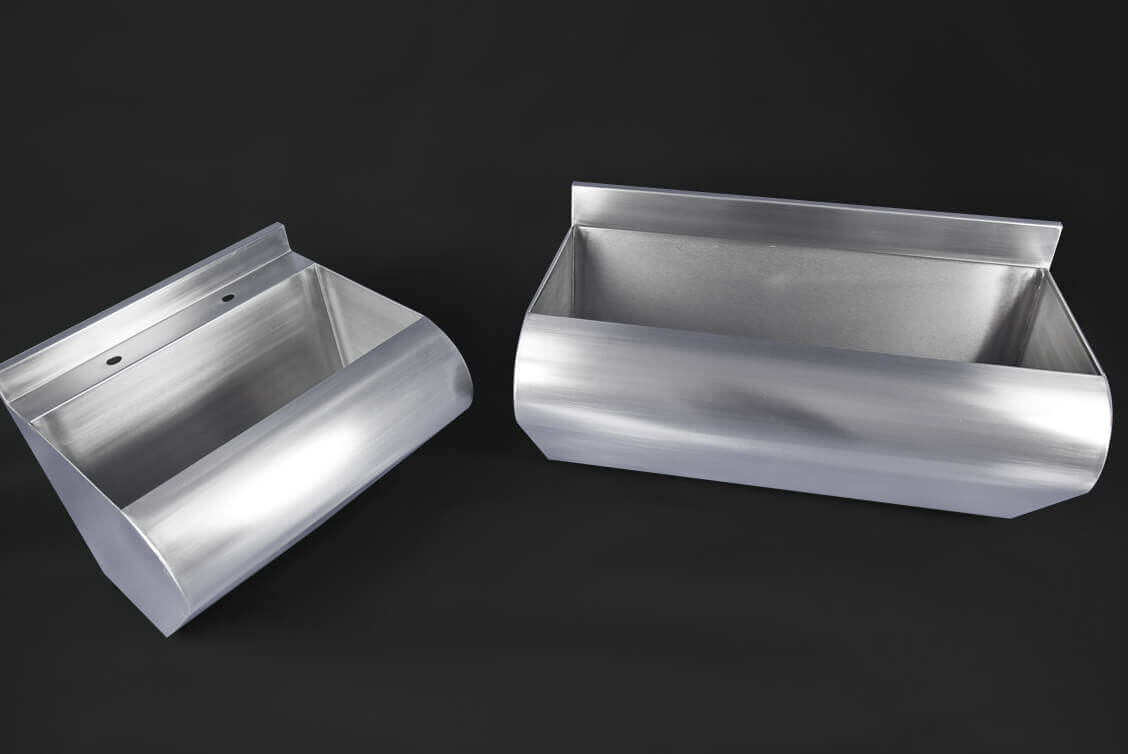
Stainless steel is a long-standing favourite in both commercial and contemporary domestic settings. It is known for its durability and minimalist design whilst being practical, hardwearing options that suit high-use areas particularly well.
Pros of Stainless Steel
- Exceptional Durability: Stainless steel resists impact, chipping, and cracking, making it ideal for high-traffic environments such as public washrooms and commercial spaces.
- Hygienic and Easy to Clean: The non-porous surface resists bacteria build-up and can be easily sanitised with common cleaning agents.
- Sleek, Contemporary Look: Perfect for minimalist and industrial interiors, stainless steel adds a modern touch.
- Recyclable: Environmentally conscious buyers appreciate its recyclability at the end of its lifecycle.
Cons of Stainless Steel
- Shows Water Spots and Fingerprints: Regular wiping may be required to maintain a spotless finish.
- Noisy: Unless padded or insulated, stainless steel can amplify sound from running water or dropped items.
- Can Scratch Over Time: Especially in domestic settings, cosmetic scratches may become visible with use.

Ceramic Trough Sinks
Ceramic trough sinks offer a timeless, refined look that works beautifully in traditional bathrooms or elegant, modern designs. With their smooth, glossy finish and substantial presence, ceramic sinks are a popular choice in domestic environments where aesthetics is a priority.

Pros of Ceramic Troughs
- Timeless Appeal: Ceramic offers a glossy, smooth finish that complements both traditional and modern bathroom styles.
- Stain-Resistant Surface: The glazed finish resists most stains and is easy to maintain with standard bathroom cleaners.
- Solid Feel: Heavy and substantial, ceramic sinks add a premium, high-quality feel to any washroom.
Cons of Ceramic Troughs
- Fragility: Ceramic can chip or crack if struck by heavy objects, making it less ideal for public or high-use environments.
- Heavier Installation: Due to its weight, installation requires more structural support.
- Limited Size Options: Trough sinks in ceramic are less common and often come in limited configurations.
.jpg)
Composite Trough Sinks
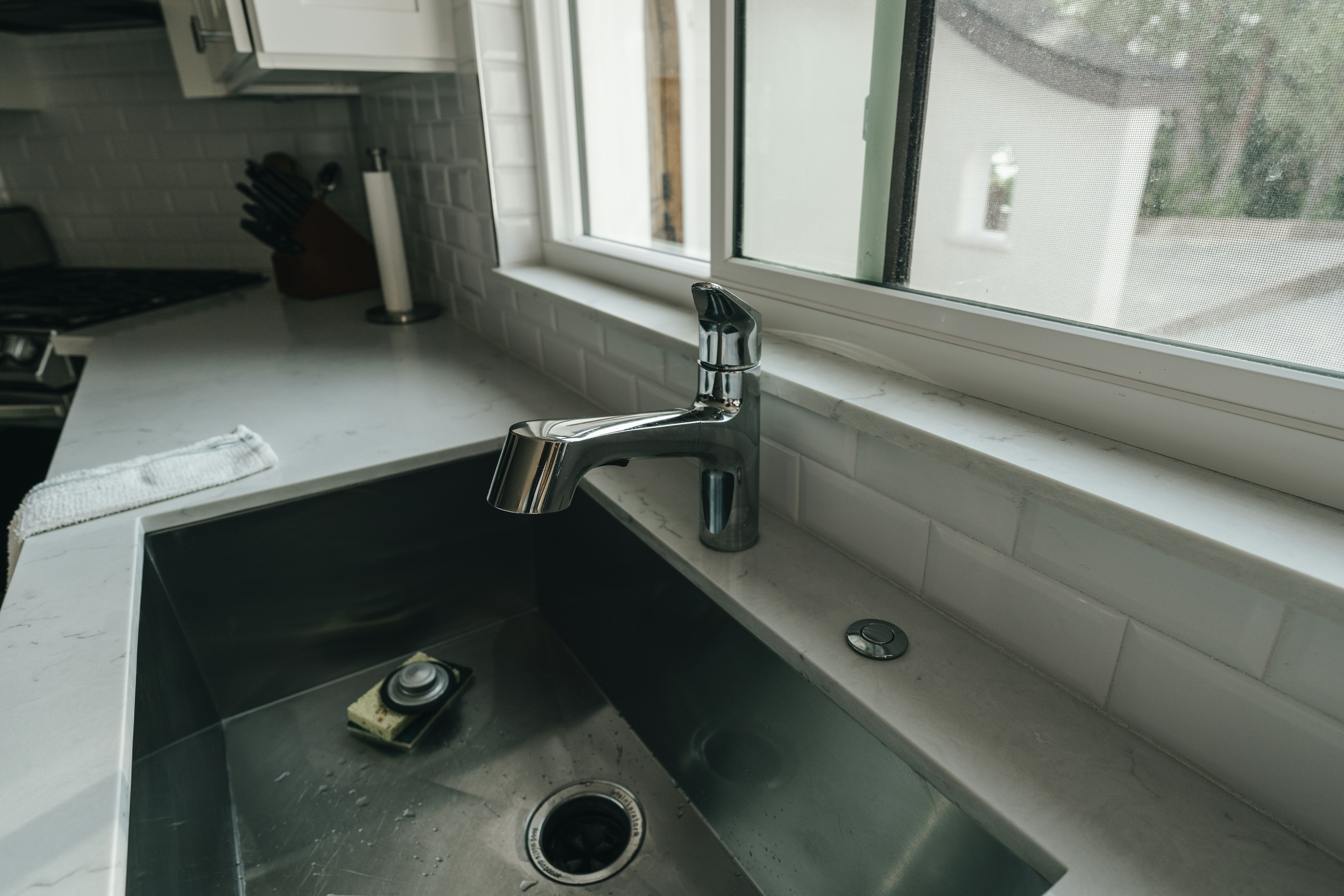
Composite sinks combine natural stone elements with resins or acrylics, creating a highly adaptable material that mimics the look of stone without the same weight or cost. Ideal for those seeking design flexibility as composite trough sinks can be shaped, coloured, and finished to suit almost any style.
Pros of Composite Troughs
- Customisable Designs: Available in a wide range of colours, textures, and shapes, making it easy to match your bathroom aesthetic.
- Good Resistance to Scratches and Heat: Especially true for high-end composites like granite or quartz blends.
- Matte or Textured Finishes: These help disguise water spots and fingerprints, making it look cleaner between washes.
Cons of Composite Troughs
- More Prone to Staining: Lighter-coloured composites may stain over time if not cleaned regularly.
- May Dull Over Time: Some finishes can lose their sheen with heavy use or abrasive cleaners.
- Not Always Cost-Effective: High-quality composites can rival or exceed the cost of stainless steel or ceramic.

Final Thoughts
The best trough sink material depends on your priorities. It is encouraged that you choose stainless steel if you need maximum durability, easy maintenance, and a modern aesthetic that are particularly in high-use or commercial settings. However, if you could opt for ceramic as this will provide a classic look and smooth feel, and the sink will be in a low-traffic, domestic environment. Although if this isn't what you are looking for then go with composite if you value custom design options and a softer finish, and you're willing to be mindful about maintenance.
Overall, each material brings unique benefits to the table. Your final choice should align with your usage, style, and long-term maintenance expectations.
If you are still unsure on what to choose then don't worry as DSM’s team are here to help! - Contact us about your project requirements and we will help you design and style any stainless steel wash trough that fits your exact specifications.
FAQs
Are stainless steel sinks louder than ceramic or composite ones?
Yes, unless specifically insulated, stainless steel can produce more noise from running water or objects hitting the surface.
Can ceramic sinks crack easily?
While durable under normal use, ceramic sinks can crack or chip if subjected to hard impact.
Do composite sinks require special cleaners?
It depends on the finish. Most respond well to mild cleaners, but harsh abrasives can dull the surface over time.
For more information on cleaning stainless steel, see our Stainless Steel Product Care Brochure
If you're interested in a new kitchen worktop, take a look at our kitchen worktops page for more information.
You can give us a call on 01159 255927 whenever you'd like to ask questions, get advice and even ask for a free, no-obligation quote!
Our Guides & Brochures
DSM Stainless Steel Product Care
Please take a moment to read our product care brochure to help you look after you new stainless steel units to ensure they look as good as the day they are installed.
Download DSM 25 Year Warranty
For more information on our 25 year warranty please download our brochure
Download
DSM Terms of Business
Our Terms of Business Agreement sets out the terms and conditions on which we agree to provide services for you
Download