Cleanrooms and laboratories operate under rigorous guidelines, where even minor lapses in hygiene can lead to contamination, compromised results, or health risks. Wash troughs are more than just sinks in these settings they are integral hygiene control stations. Whether used for hand washing, equipment rinsing, or chemical handling preparation, the materials and design of these units must meet the highest standards of safety, durability, and cleanliness./p>
Why Material Choice Matters in Hygiene-Critical Environments?
In cleanrooms and laboratory settings, maintaining a contaminant-free environment isn’t optional. From pharmaceuticals and biotech to electronics and food testing, hygiene protocols demand robust equipment that upholds strict cleanliness and performance standards.
Among the many components in these spaces, wash troughs play a key role in ensuring hand hygiene, surface sanitisation, and process integrity. Stainless steel has become the material of choice for these applications and for good reason.
Why Stainless Steel is the Preferred Material
Stainless steel is widely regarded as the gold standard for cleanroom and lab-grade fixtures, thanks to its unique combination of hygiene, durability, and compliance with regulatory requirements.
Key Advantages
- Non-Porous and Hygienic: Stainless steel has a smooth, non-absorbent surface that resists microbial growth and is easy to sterilise, making it ideal for sterile environments.
- Corrosion Resistance: Particularly when using grades such as 304 or 316 stainless steel, wash troughs can withstand harsh cleaning agents and disinfectants without degrading.
- Durable and Long-Lasting: Designed to endure repeated use and cleaning cycles, stainless steel maintains its structural integrity over time.
- Seamless Integration: Many stainless steel troughs can be fabricated with seamless joints, eliminating crevices where dirt or bacteria could accumulate.
- Complies with Cleanroom Standards: Stainless steel aligns with ISO and GMP standards, ensuring compatibility with the rigorous requirements of cleanroom classifications.

Applications in Laboratory Settings
In laboratories, wash troughs serve multiple hygiene and safety functions. Whether it's a pathology lab, chemical testing environment, or food science facility, cleanliness is non-negotiable. Stainless steel wash troughs provide a sterile station for hand hygiene, tool rinsing, and decontamination.
They are especially useful in:
- Clinical and Diagnostic Labs: Frequent hand washing and instrument cleaning make stainless steel’s ease of maintenance and robustness critical.
- Chemical and Materials Labs: Resistant to corrosive substances, stainless steel tolerates occasional chemical contact without structural damage.
- Food and Beverage Labs: Stainless steel’s non-reactive surface ensures that no residues or bacteria interfere with test results.
Applications in Cleanroom Environments
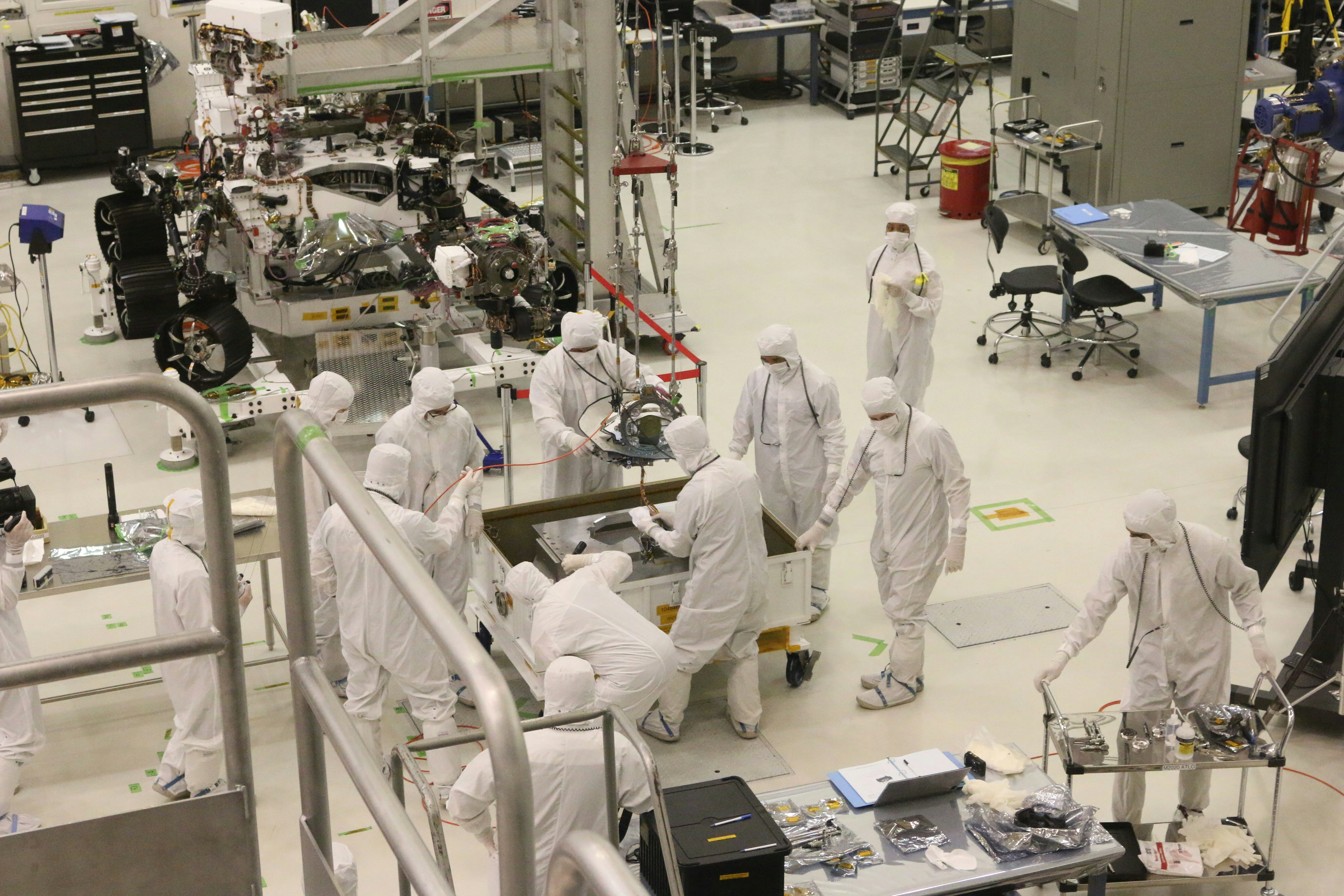
In cleanrooms, especially those rated ISO 1 to ISO 8, any source of particulates or contamination must be tightly controlled. Stainless steel wash troughs help support the environmental purity these spaces require.
They are commonly used for:
- Personnel Decontamination Zones: Positioned near airlocks or gowning areas, wash troughs help ensure staff adhere to hand hygiene protocols before entering controlled spaces.
- Product Wash Areas: In pharmaceutical manufacturing or electronics, components may need rinsing before proceeding to the next cleanroom stage.
- Tool and Container Cleaning: Stainless steel troughs provide a secure, sanitary space for cleaning non-sensitive items that must re-enter the clean zone.
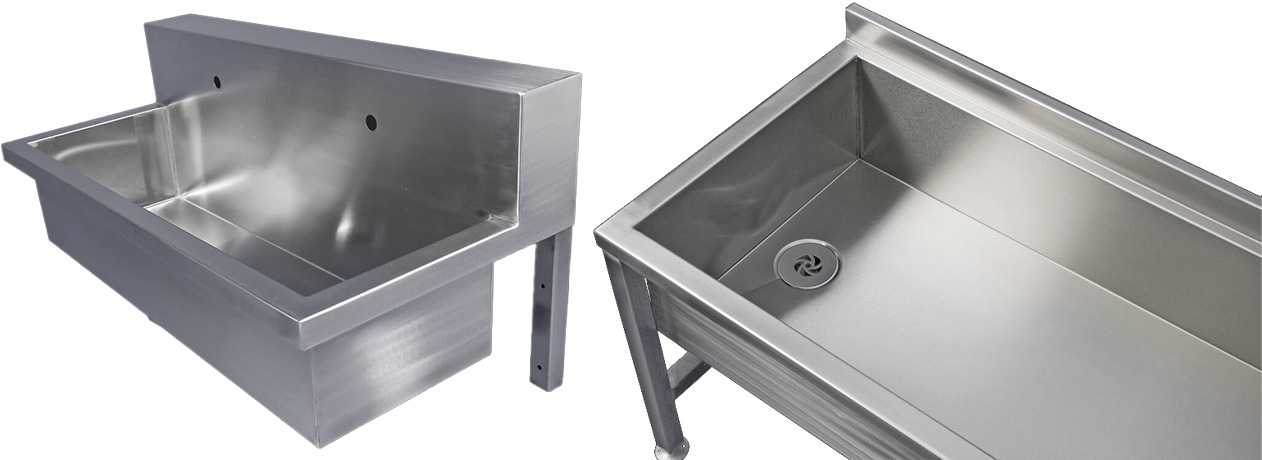
Design Considerations for Maximum Hygiene
When specifying stainless steel wash troughs for cleanroom or lab use, certain design features can make a substantial difference in cleanliness and usability.
Recommended Features:
- Integrated Splashbacks and Drainers: These help contain water and prevent cross-contamination between surfaces.
- Hands-Free Operation: Taps operated by sensors, elbows, or foot pedals reduce the risk of transferring contaminants via hand contact.
- Radius Corners and Sloped Bases: Prevents water pooling and simplifies cleaning by eliminating dirt traps.
- Wall-Mounted Installation: Keeps the floor area clear, reducing the chances of microbial build-up around mounting points.
- Custom Fabrication: For unique cleanroom layouts, stainless steel troughs can be bespoke-manufactured to exact size and drainage requirements.
Final Thoughts: Performance, Safety, and Compliance
In cleanroom and laboratory environments, the role of a wash trough extends far beyond basic functionality. It is an integral part of a hygiene protocol that safeguards people, processes, and products. Stainless steel continues to prove itself as the most reliable material for these applications — not just because it’s robust and hygienic, but because it supports regulatory compliance, long-term usability, and design adaptability.
If you’re designing or upgrading a laboratory or cleanroom, investing in high-quality stainless steel wash troughs is not just a practical choice — it’s a strategic one that underpins safety and operational integrity.
FAQs
Which grade of stainless steel is best for cleanroom use?
Grade 316 stainless steel is often preferred due to its superior resistance to corrosion, especially when exposed to chemicals and sterilising agents.
Are hands-free taps essential for cleanroom wash troughs?
Yes. Hands-free operation significantly reduces the risk of cross-contamination and is considered best practice in most cleanroom standards.
Can stainless steel troughs be custom-made for my lab layout?
Absolutely. Many suppliers offer bespoke designs to fit specific dimensions, drainage needs, and mounting preferences.
For more information on cleaning stainless steel, see our Stainless Steel Product Care Brochure