
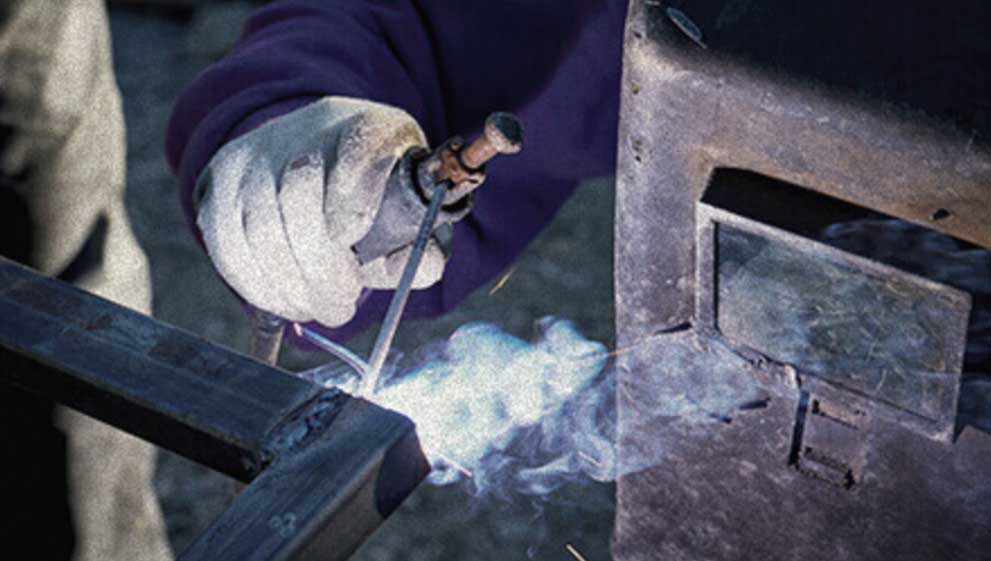
At first glance, off the shelf stainless steel products seem like the sensible option. They are quick to source, easy to price, and often available for immediate delivery. For some environments, that is perfectly adequate. Yet in many industrial, laboratory, veterinary and commercial settings, standard products quickly reveal their limitations. Spaces are rarely standard, workflows evolve, and hygiene demands leave little room for compromise. This is where custom stainless steel fabrication tends to outperform mass produced alternatives, sometimes by a wider margin than expected.
The difference is not just about size or appearance. It is about how equipment supports daily work, how easily it can be cleaned, and how long it remains fit for purpose. When you look beyond the catalogue and into real world use, bespoke fabrication often proves to be the more practical and economical choice.
The Limitations of Off the Shelf Stainless Steel Products
Off the shelf products are designed to suit as many users as possible. That broad appeal is also their weakness. Standard dimensions, fixed layouts and generic finishes assume ideal conditions that rarely exist on site. Corners are awkward, walls are not square, and services do not always sit where drawings suggest.
In busy environments, small compromises add up. A worktop that is slightly too shallow affects ergonomics. A sink positioned without considering workflow creates splash and congestion. Drainage placed for convenience rather than cleaning becomes a hygiene risk. These are not faults in manufacturing quality, but in suitability. Off the shelf products are built to a price and a template, not a space or a process.
What Custom Stainless Steel Fabrication Really Means
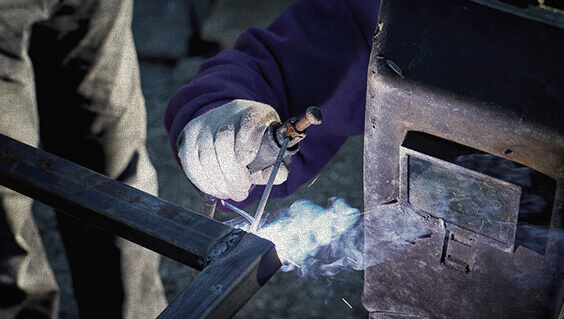
Custom fabrication is often misunderstood as a luxury or purely aesthetic choice. In practice, it is a design led manufacturing process where function comes first. Measurements are taken from the actual site. Usage is discussed. Cleaning routines, regulatory requirements and future expansion are considered early on.
Rather than adapting the workspace to the product, the product is designed to suit the workspace. This includes everything from material thickness and reinforcement to joint detailing and finish selection. The result is equipment that feels like it belongs, because it was designed specifically for that environment.
Fit for Purpose Design That Matches the Workspace
Every workspace has its own rhythm. In laboratories, staff move between benches, sinks and storage in a predictable flow. In food processing, separation of clean and dirty areas is critical. In veterinary settings, durability and ease of washdown matter just as much as layout.
Custom stainless steel fabrication allows these realities to shape the design. Heights can be adjusted for comfort. Splashbacks can be sized to protect walls properly. Shelving and undershelves can be positioned to avoid interference with plumbing or electrics. Over time, this fit for purpose approach reduces fatigue, speeds up tasks and lowers the risk of damage or misuse.
Improved Hygiene, Cleaning and Compliance
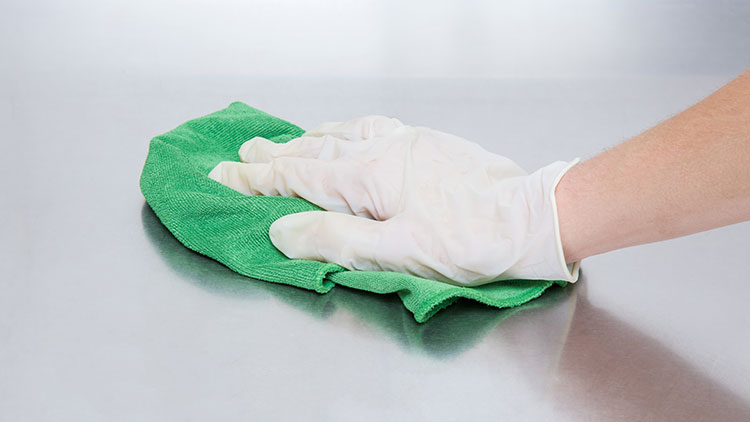
Hygiene is one of the strongest arguments for bespoke stainless steel solutions. Poorly positioned joints, unnecessary seams and awkward gaps all create places where contaminants can build up. Standard products often rely on compromises that are acceptable in low risk environments but problematic elsewhere.
With custom fabrication, joints can be minimised, welds fully dressed, and drainage designed to promote effective cleaning. Edges can be softened where required, and surfaces finished to suit the cleaning regime. In regulated environments, this attention to detail supports compliance and makes routine cleaning faster and more reliable.
Durability and Long Term Cost Efficiency
It is easy to assume that bespoke fabrication is always more expensive. Upfront costs can be higher, but focusing only on initial price misses the bigger picture. Equipment that fits properly is less likely to be damaged, modified on site or replaced prematurely.
Thicker material, appropriate reinforcement and well planned load bearing points all extend service life. Repairs are reduced, downtime is minimised, and the need for workarounds disappears. Over years of use, these factors often mean custom fabricated stainless steel delivers better value than cheaper, standard alternatives.

Material Choice, Thickness and Finish Control
One of the quieter benefits of custom fabrication is control. Off the shelf products typically offer limited options for stainless steel grade, thickness and finish. That can be restrictive in environments exposed to chemicals, heavy use or frequent cleaning.
Bespoke fabrication allows the material specification to match the application. Thicker gauges can be used where strength matters. Finishes can be selected for cleanability rather than appearance alone. This level of control is especially important in laboratories and healthcare settings where performance expectations are high.
Integration with Existing Equipment and Infrastructure
Very few projects start with a blank canvas. New stainless steel components often need to integrate with existing benches, sinks, drainage systems and services. Standard products rarely align perfectly, leading to on site adjustments that compromise both appearance and function.
Custom fabrication avoids this. Equipment can be designed to align with existing heights, connect cleanly to current services, and maintain continuity across the workspace. This reduces installation issues and ensures the finished result looks intentional rather than patched together.
Key Questions to Ask Before Choosing Custom Fabrication
Before deciding, it helps to step back and assess how the equipment will actually be used. How often will it be cleaned? Who uses it and for how long each day? Are there regulatory requirements that influence design? Will the space change over time?
If these questions reveal complexity, custom fabrication usually provides clearer answers than catalogue specifications ever could.
Why Experienced Fabrication Partners Make the Difference
The success of any bespoke project depends on the fabricator’s understanding of real world use. An experienced partner like DSM Industrial Engineering Ltd brings more than manufacturing capability. They bring insight into materials, layout, hygiene and long-term performance.
That collaborative approach helps avoid over engineering while ensuring nothing important is overlooked. The result is stainless steel equipment that works quietly in the background, supporting daily operations without drawing attention to itself. In many environments, that is exactly what good design should do.
If you would like, I can adapt this article for a specific sector such as laboratories, veterinary clinics or food production, or structure it for direct publication on the DSM website with internal linking suggestions.